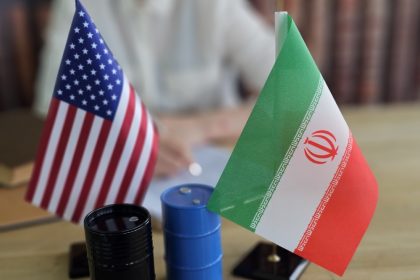

Crude oil prices increased on Monday after Iran and the United States ruled out extending a memorandum of understanding signed in June aimed at ending the conflict.
The agreement was set to expire Monday. A senior Iranian official told Reuters that Tehran would shift from a defensive approach to an offensive posture if diplomatic efforts with the U.S. fail.
U.S. crude oil futures rose 2.6% to close at $84.50 per barrel. Brent crude, the international benchmark, gained 2.7% to settle at $90.87.
Strait of Hormuz Risks Increase
The Iranian official said Iranian entities should prepare for increased tensions in the Strait of Hormuz and the wider region, adding that Tehran was prepared to make difficult decisions if diplomacy breaks down.
The U.S. and Iran signed the memorandum of understanding on June 17, which was intended to reopen the Strait of Hormuz while negotiations continued on a final agreement regarding Tehran’s nuclear program.
Iran’s Foreign Ministry spokesman Esmail Baghaei ruled out discussions to extend the agreement, stating that negotiations had not started and that the U.S. had violated the understanding from the beginning.
U.S. and Iran Remain at Odds
President Donald Trump called on Iran to “put up the white flag of surrender” in an interview with Fox News and threatened military action against Oman over its involvement in negotiations with Tehran regarding traffic through the Strait of Hormuz.
Trump later told reporters that he would not seek an extension of the ceasefire agreement with Iran.
Ship Traffic Through Hormuz Slows
Ship traffic through the Strait of Hormuz remained severely disrupted. Data from Kpler showed that only three vessels crossed the strait on Sunday, compared with a five-day average of 12 crossings.
Before the conflict began on February 28, around 130 vessels were transiting the waterway.
China Imports Could Influence Oil Prices
Bob McNally, president of Rapidan Energy, said Brent crude prices could move back toward $100 per barrel if China increases its oil imports.
China has reduced imports by 4 million barrels per day to 5 million barrels per day, helping limit oil price increases during the Iran conflict, McNally said.
However, he expects Beijing may allow refiners to increase imports to take advantage of higher refined product prices.