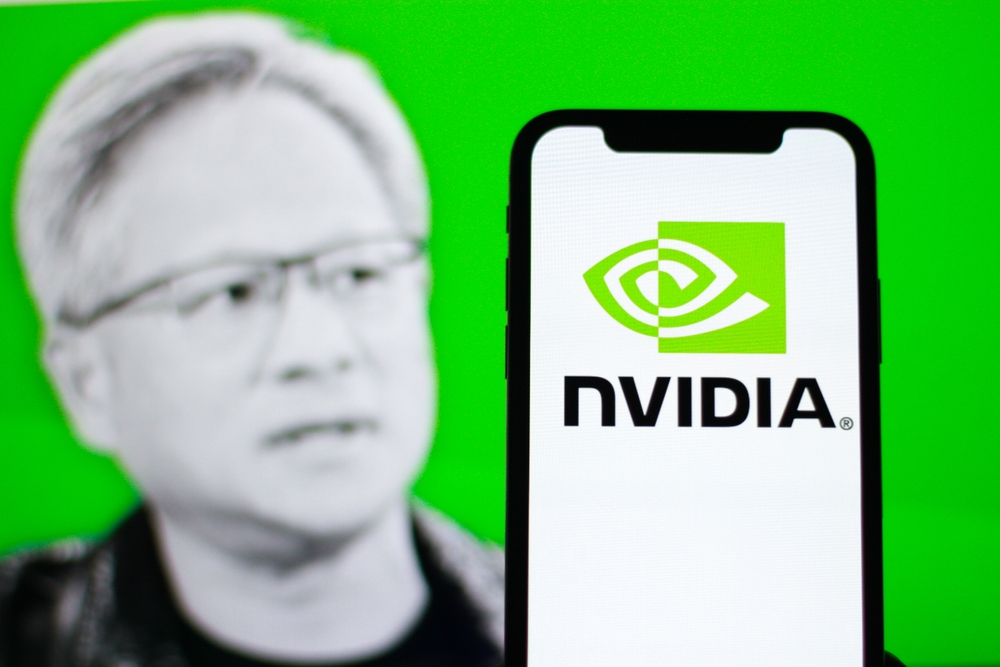

Nvidia CEO Jensen Huang is working to position AI computing infrastructure as a long-term financial asset, attracting major investors to fund the expansion of artificial intelligence technology.
Nvidia Builds Wall Street Financing Network
Nvidia has partnered with major asset managers including BlackRock, Blackstone, Apollo, KKR, Brookfield and Goldman Sachs to create a financing pipeline worth more than $500 billion for AI infrastructure development.
The initiative aims to help companies finance the construction of data centres and GPU clusters without relying entirely on their own balance sheets. The funding could support AI companies, cloud providers and businesses that need access to large amounts of computing power.
Huang’s strategy is based on the idea that Nvidia’s graphics processing units (GPUs) should be viewed as productive infrastructure assets rather than traditional technology hardware that quickly loses value.
AI Chips Become a New Financial Asset Class
Nvidia argues that AI computing infrastructure has characteristics similar to traditional infrastructure investments because it generates revenue, can be reused across different applications and supports essential digital services.
In traditional asset-backed financing, lenders rely on the ability to recover value from physical assets such as buildings, equipment or transportation infrastructure if borrowers fail. Nvidia’s approach applies a similar concept to AI hardware.
However, the long-term value of advanced GPUs remains uncertain. New generations of AI chips could reduce demand for older hardware, creating concerns about how quickly these assets depreciate.
China Creates a Potential Risk for AI Hardware Values
Analysts have identified competition from China as one of the biggest risks to Nvidia’s financing model. Increased domestic production of AI chips could create downward pressure on hardware prices and reduce the value of GPUs used as collateral for loans.
If AI hardware prices decline significantly, investors financing billions of dollars in infrastructure projects could face greater risks, particularly when lending to companies with weaker credit profiles.
Some analysts believe lenders may treat GPUs as higher-risk assets and demand higher returns to compensate for faster depreciation compared with traditional infrastructure investments.
Nvidia’s AI Ecosystem Continues to Expand
Despite concerns about depreciation and competition, Nvidia remains the dominant supplier of AI chips, supported by strong demand from major cloud providers and artificial intelligence companies.
The company also benefits from its CUDA software platform, which allows developers to run AI workloads on Nvidia GPUs. Nvidia argues that continued software improvements can extend the useful life of older hardware by improving performance and maintaining productivity.
As global investment in AI infrastructure accelerates, the future value of Nvidia’s chips and the success of this new financing model will depend on whether AI hardware can maintain its role as a durable, revenue-generating asset.